
Assessment
Before a plan is agreed
We take a careful history of substances, mental health and trauma. Not every psychedelic difficulty is addiction. Assessment decides what kind of stay, if any, is indicated.

LSD and psychedelics
Psychedelics are not always used in a dependent pattern. When they are, or when a difficult experience has not settled, the person may need a quiet clinical setting rather than another ceremony.
Understanding
Anxiety, sleep disruption, flashbacks of the experience, or a habit of using to open or close the mind. Some people look composed. Their nervous system does not agree.
Psychedelics are not always used in a dependent pattern. When they are, or when a difficult experience has not settled, the person may need a quiet clinical setting rather than another ceremony.
Signs families notice
Assessment
We take a careful history of substances, mental health and trauma. Not every psychedelic difficulty is addiction. Assessment decides what kind of stay, if any, is indicated.
Treatment
Safety, sleep, individual psychotherapy at a bearable pace, and medical review. Complementary therapies may support settling. They are not a second trip.
Journey
A confidential conversation, then a plan that does not demand the person relive everything on day one.
Why residential
Distance from usual triggers, 24-hour clinical cover where needed, and a daily rhythm that does not ask a depleted person to recover in the same environment that exhausted them.
Care is physician-led, one-to-one by default, and small enough that a stay is not a corridor of group timetables. Complementary therapies sit inside a medical plan.
Mauritius is not read as a public rehab destination. Distance from usual triggers, a stable island setting, and a hilltop centre in Congomah give international families privacy without theatre.
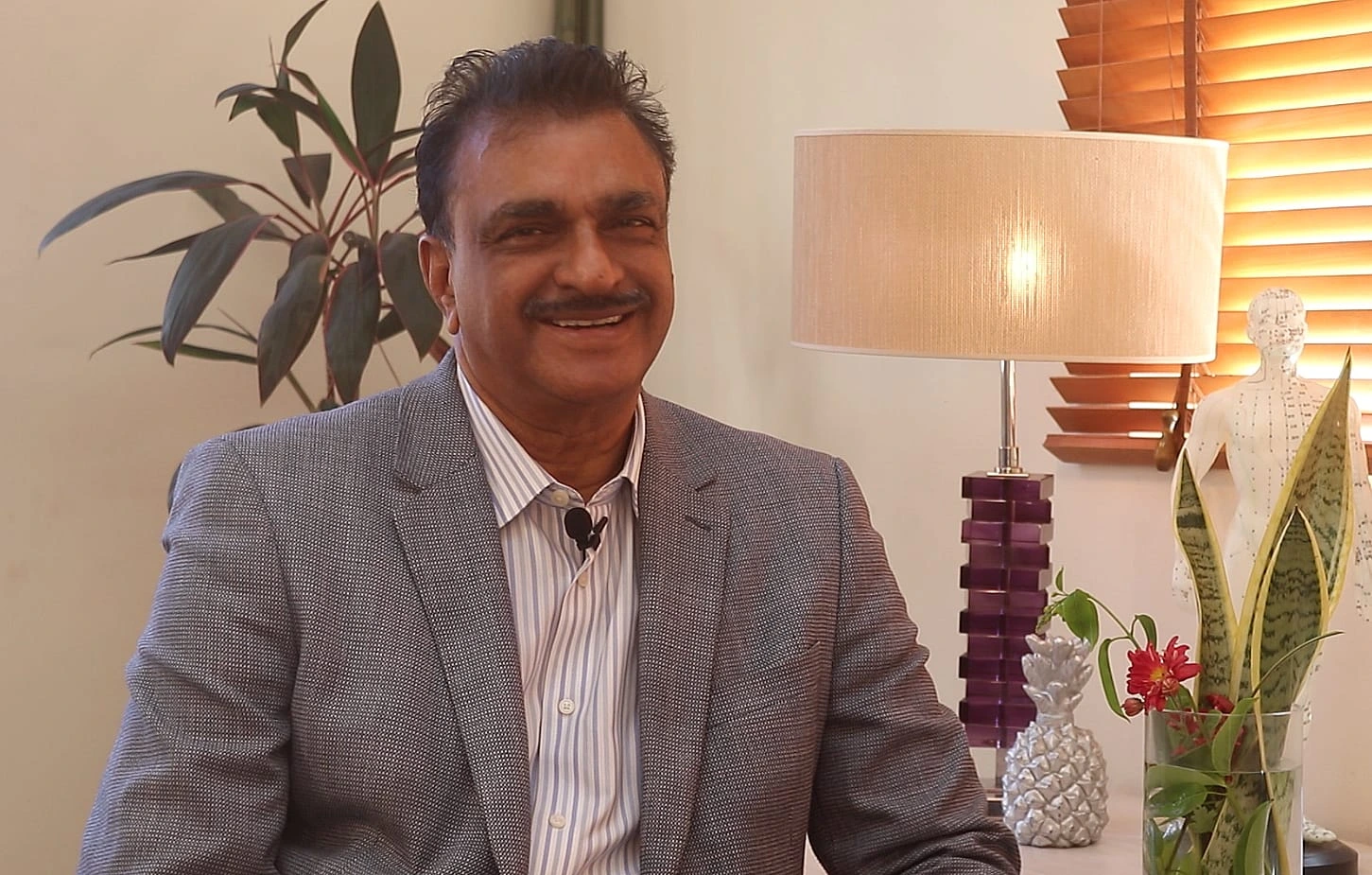
Dr Siddick
Insight from a substance is not the same as treatment. If the nervous system is still ringing, it needs a clinical container.
This is not a slogan. It is how assessment is done here: listen first, then decide whether a residential stay is even the right next step.
Families
The first conversation may be with a spouse, parent, adult child, sibling, friend or doctor. You do not need the person to complete a form before you ask for guidance.
7-14 days
A short residential period to assess, stabilise and interrupt a pattern. Useful when outpatient care is not enough and a longer stay is not yet clear.
21-28 days
Enough time for medical review, a body of individual therapy, sleep restoration and a first aftercare plan. This is a typical core period, not a product.
4+ weeks
When trauma, dual diagnosis or long-standing dependence need more than a month. Length is a clinical recommendation after assessment.
These ranges are guidance for families, not packages. Nothing is priced or promised before a confidential clinical conversation.
Questions
Psychedelics are not always used in a dependent pattern. When they are, or when a difficult experience has not settled, the person may need a quiet clinical setting rather than another ceremony. Suitability for residential care is decided after a confidential clinical conversation, not from a website list.
No. Some people need medically supervised withdrawal. Others begin psychological work without it. That decision is clinical.
Length of stay is decided after assessment. Typical guidance is a short reset of one to two weeks, a core period of three to four weeks, or longer work. Nothing is sold as a fixed package.
The first conversation may be with a spouse, parent, adult child, sibling, friend or doctor. You do not need the person to complete a form before you ask for guidance.
No. We do not promise a cure, and we do not publish unverified success rates. Recovery is individual work, held in a licensed setting.
Mauritius is not read as a public rehab destination. Distance from usual triggers, a stable island setting, and a hilltop centre in Congomah give international families privacy without theatre.
Related
Alcohol dependence is rarely only about drinking. It is often about sleep, mood, stress, family, and what alcohol has come to do in a life.
Read moreDrug dependence can involve street drugs, prescribed medicines used unsafely, or a pattern that has outgrown the original reason it began.
Read moreDependence can begin in a consulting room. Sleeping tablets, benzodiazepines and pain medicines may have been prescribed for a real problem, then become difficult to stop.
Read moreCannabis is often described as harmless. For some people it has become the way they sleep, socialise, or keep anxiety at bay, and stopping feels larger than expected.
Read moreBegin here
Whether you are exploring care for yourself or for someone you love, the first step is a private discussion. There is no obligation, and nothing is priced before that conversation.