
Professional exhaustion
Executives and professionals who cannot recover in the environment that exhausted them.

Programme
Structured residential recovery for stress-related exhaustion, with rest, therapy and medical review.
Stress-related exhaustion is real, and it is not the same as a holiday. This programme is for people whose work, caregiving or prolonged pressure has left them depleted, sleepless or unable to function as they did.
We use the phrase stress-related exhaustion in public. More specific medical language belongs in the consulting room. Complementary therapies, rest and nutrition support the stay. They are not a substitute for assessment if depression, trauma or substance use is also present.
Who it may help
Executives and professionals who cannot recover in the environment that exhausted them.
People worn down by long periods of looking after someone else.
Persistent insomnia, irritability or inability to think clearly after prolonged stress.
If alcohol, depression or trauma is part of the picture, the plan is adjusted. Burnout is not used to hide other needs.
A confidential conversation with the clinical team is the safest way to find out. We will not pressure you to admit.
How we work
To distinguish exhaustion from conditions that need a different kind of care.
A quiet room, regular meals and a day that is not packed with optional extras.
Space to look at the pattern that led here, without turning the stay into a productivity workshop.
A conversation about work, family and follow-up, so the week after leaving is not a cliff edge.
A possible rhythm
Days are adapted after assessment. This is an illustration of how medical care, therapy and restorative time can sit together.
Stay
Burnout-related stays are often shorter than addiction programmes, but not always. A week may be enough for some people. Others need longer. We avoid promising a set number of days before we have assessed you.
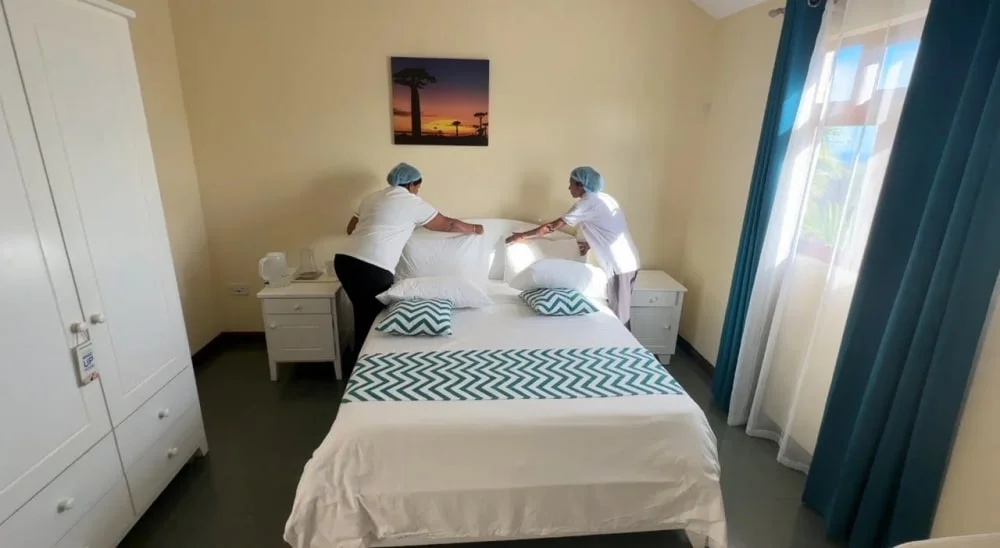
Guests stay in ensuite rooms. Meals are prepared on site and can be adapted. Therapy may take place in consulting rooms or, when it helps, more privately. Complementary therapies such as yoga, massage or acupuncture are offered as support within the clinical plan.
Questions
No. It is a clinical residential programme. Discretion is high. Pricing is not published as a spa rate.
Usually we ask people not to. Recovery from exhaustion rarely happens with the inbox open. Exceptions are discussed.
Begin here
Whether you are exploring care for yourself or for someone you love, the first step is a private discussion. There is no obligation, and nothing is priced before that conversation.